A comprehensive guide to bathroom tiles, types, and care.
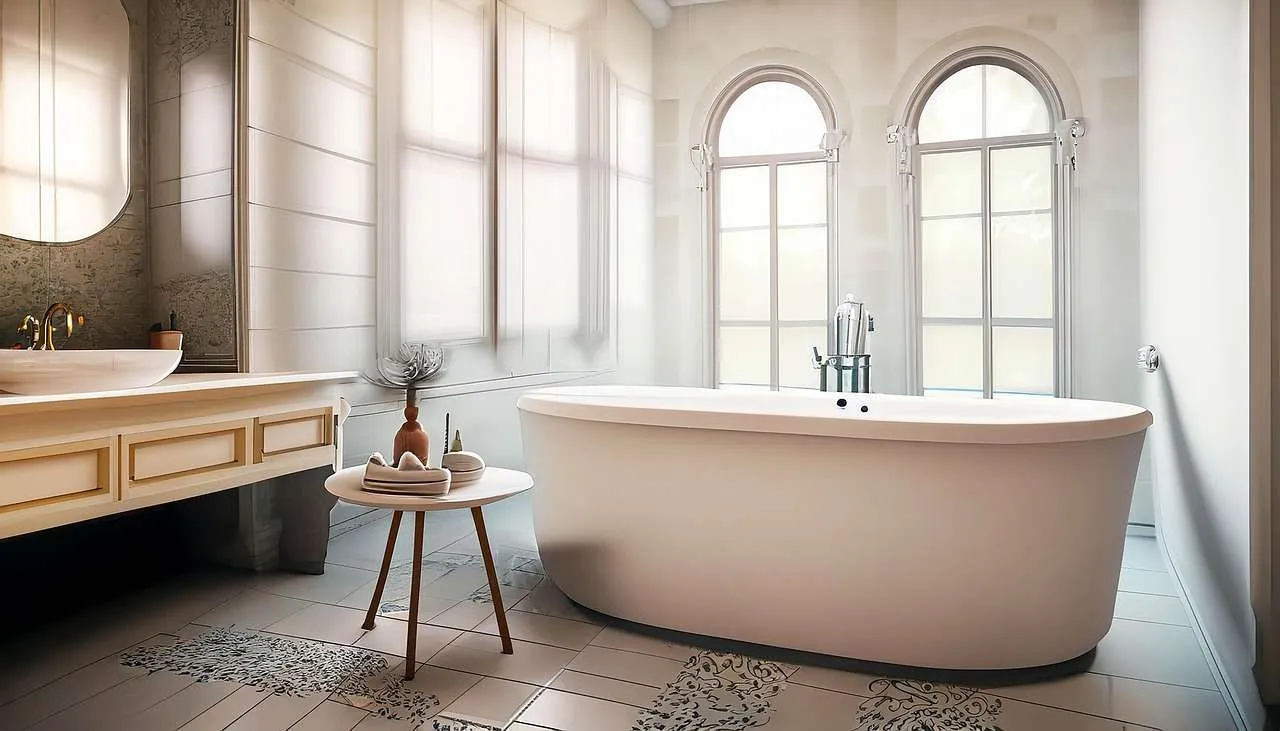
Choosing bathroom tiles is both a functional decision and a design statement. The right tiles protect walls and floors from moisture, set the room’s mood, and influence how easy the space is to clean. This guide follows EEAT principles by sharing practical advice from seasoned tile professionals and designers, helping you select, install, and maintain bathroom tiles with confidence.
Understanding the main tile families
Bathroom tiles fall into several broad families, each with unique advantages. Ceramic and porcelain tiles are the most popular for floors and walls due to affordability, color variety, and ease of maintenance. Natural stone tiles, such as marble or limestone, offer luxury and texture but require more maintenance. Glass tiles add reflectivity and a contemporary vibe, while mosaic and large-format tiles create bold visual effects with fewer grout joints.
Ceramic tiles
Ceramic tiles are budget-friendly, highly versatile, and available in many colors and patterns. They are suitable for walls and light to moderate floor use. They absorb more water than porcelain, so they are typically used in dry or low-moisture zones or on walls. Maintenance is straightforward with non-acidic cleaners, and the lifecycle cost is attractive for many homes.
Porcelain tiles
Porcelain is a dense, water-resistant type of ceramic that performs well in wet areas and heavy-use floors. Its lower porosity makes it less prone to staining and easier to clean. Porcelain can be produced in large formats, offering a sleek, seamless look with minimal grout lines. The upfront cost is higher, but long-term durability can offset that investment.
Natural stone tiles
Natural stone brings timeless beauty and unique veining. Marble, travertine, and granite create a high-end appearance but require regular sealing and maintenance to protect against moisture and stains. They can be more slippery when wet, so selecting a textured or honed finish enhances safety. Expect higher ongoing care and occasional professional sealing.
Glass tiles and mosaics
Glass tiles reflect light, brighten small spaces, and work well as accents or in shower niches. They are non-porous and easy to clean, but they can be more prone to showing water spots and require careful grout maintenance. Mosaic sheets are convenient for tricky layouts and curved surfaces.
Key factors when choosing bathroom tiles
To balance aesthetics with performance, consider five core factors: size and layout, material and durability, slip resistance, maintenance, and color/lighting. Each decision affects mood, safety, and long-term upkeep.
Size and layout
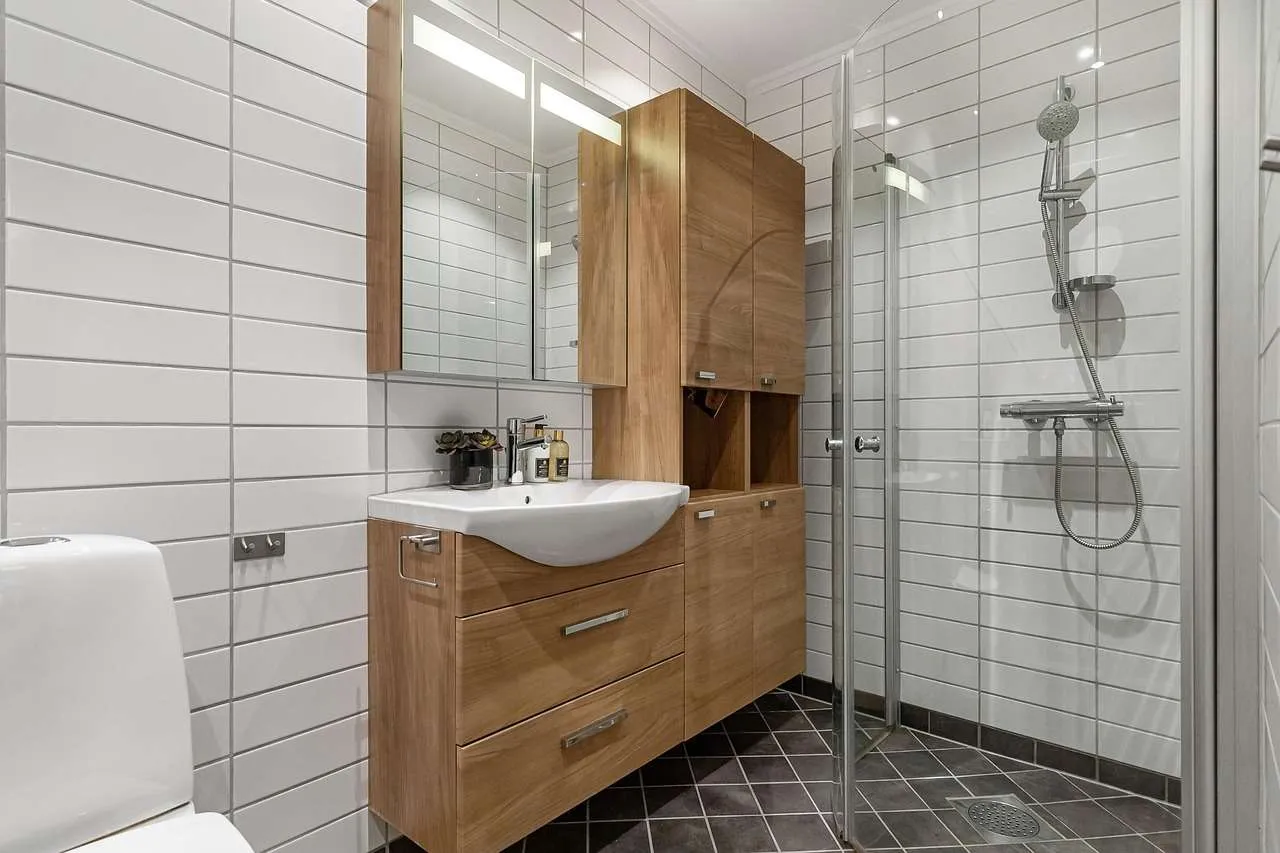
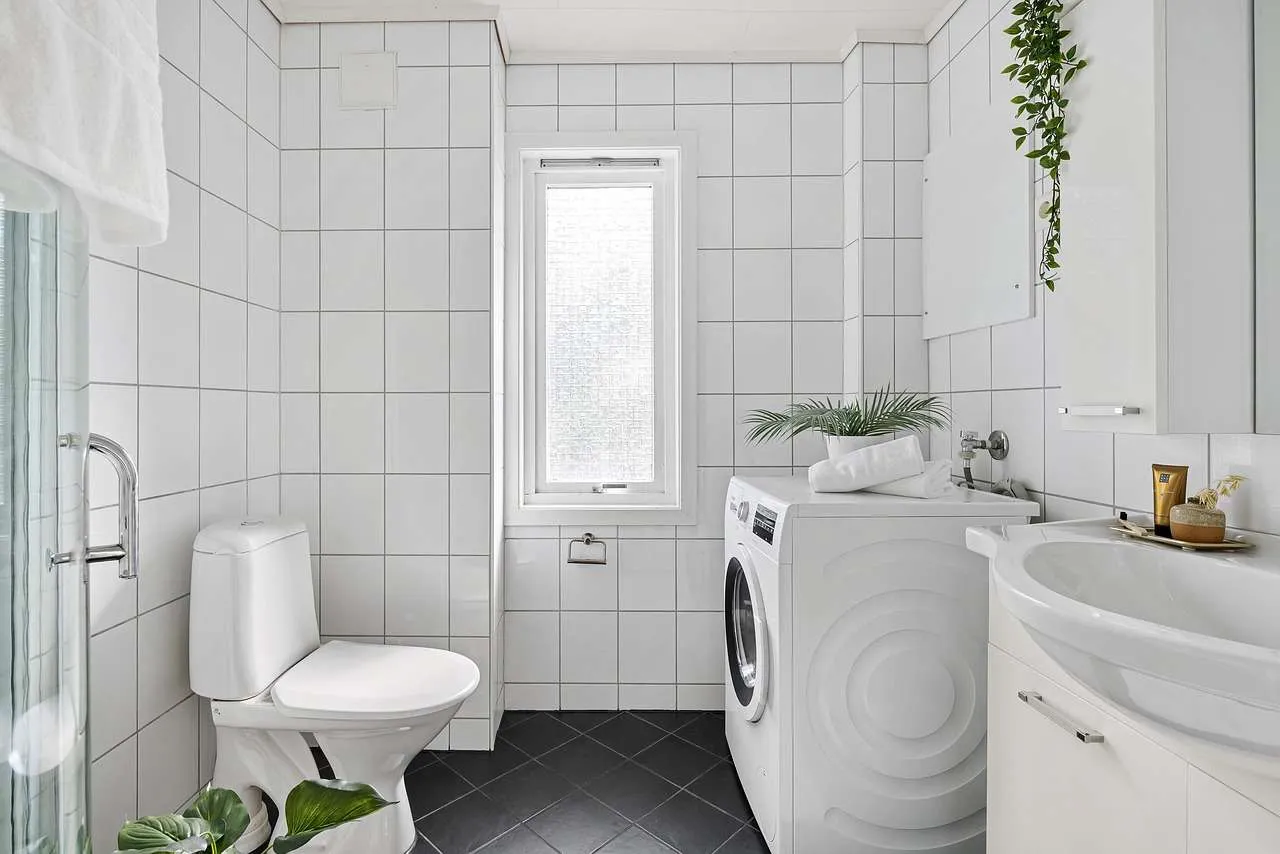
Larger formats reduce grout lines and create a sense of spaciousness, especially in small bathrooms. Subway tiles arranged in brick, vertical stack, or herringbone patterns offer classic or contemporary looks. For floors, ensure tiles are rated for floor use and choose a thickness and format that suits the room’s traffic and load.
Material and durability
Match the tile’s porosity and strength to the space. Wet zones demand low-porosity options like porcelain or glazed ceramic. Natural stone provides luxury but needs proper sealing and moisture management. For DIY projects, assess your skill level; complex cuts and large formats may benefit from professional installation.
Slip resistance and safety
Floor tiles should have a suitable slip resistance rating, particularly in shower areas. Look for textures on the tile surface and refer to product ratings such as the Porcelain Enamel Institute (PEI) ratings and the dynamic friction coefficient when evaluating safety for wet rooms.
Maintenance and care
Cleaning routines depend on tile type. Ceramic and porcelain floors typically respond well to pH-neutral cleaners. Natural stone requires sealing and periodic resealing, plus avoidance of acidic products that can etch surfaces. Glass and mosaic tiles demand regular grout cleaning. Plan for routine maintenance in your budget and schedule.
Color, pattern, and lighting
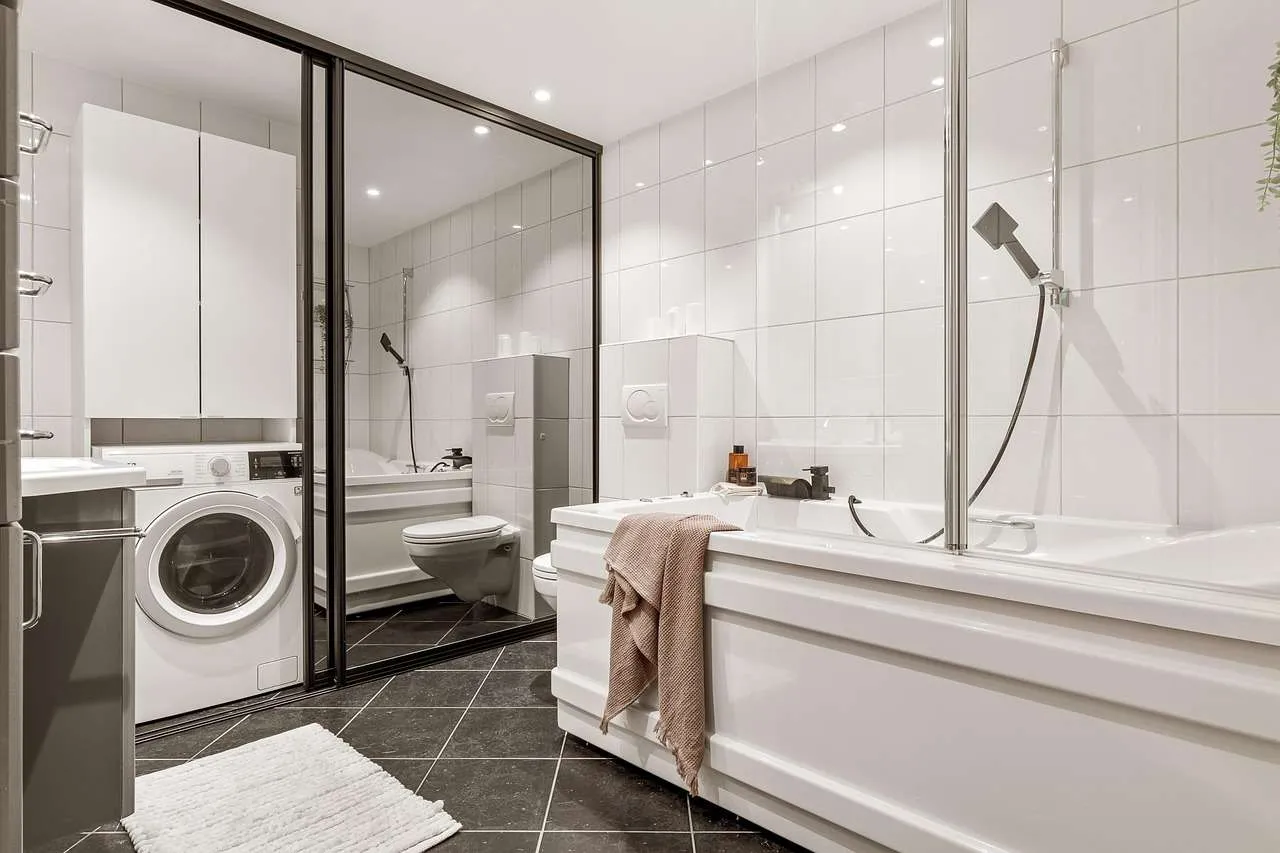
Light-colored tiles can brighten a space but may show dirt more easily, while dark tones create drama but require careful lighting. Patterned tiles add personality, but scale matters; large patterns can overwhelm small rooms. Use lighting to enhance tile features and ensure visual harmony with fixtures and cabinetry.
Installation tips and best practices
Proper installation is essential to durability. A moisture barrier and cementitious or epoxy grout improves long-term performance in wet areas. Consider hiring a licensed tile installer for complex layouts or large-format tiles. For DIY projects, emphasize surface preparation, accurate leveling, and clean grout lines. Regularly seal natural stone and perform grout maintenance to prevent moisture intrusion and staining.
Design ideas and trends
Popular trends include large-format porcelain for a seamless floor, subway or herringbone patterns for walls, and subtle neutral palettes accented with bold trim or mosaics. Textured finishes, matte glazes, and mixed material looks (stone with glass accents) provide depth without overwhelming the space. Enduring style combines practicality with a curated color story that aligns with cabinetry and hardware choices.
Cost guide and budgeting
Tile costs vary by material and finish. General ranges are ceramics at the lower end, porcelains in the mid-range, and natural stones and glass at higher prices. Installation adds to the total, often priced per square foot or per square meter. Long-term cost should consider durability, maintenance, and potential replacement cycles, which can influence the overall value of your bathroom design.
Comparison of common bathroom tile types
| Type | Pros | Cons | Best For | Typical Price Range |
|---|---|---|---|---|
| Ceramic | Affordable, wide range of colors | Less durable on floors | Walls, light-use floors | $1-$3 per sq ft |
| Porcelain | Water resistant, durable, large formats | Higher cost, heavier | Wet zones, floors | $3-$9 per sq ft |
| Natural Stone | Luxurious, unique veining | Requires sealing, higher maintenance | Showers, feature walls | $7-$15 per sq ft |
| Glass | Reflective, modern look | Grout can show water spots | Accents, backsplashes | $7-$25 per sq ft |
Care and longevity: keeping bathroom tiles pristine
Establish a maintenance routine that suits your tile type and room use. Regular dusting and damp mopping with a pH-neutral cleaner helps preserve color and finish. Seal natural stone every 1-2 years or as recommended by the manufacturer. Inspect grout lines yearly and repair promptly to prevent moisture intrusion and mold growth. With the right choices and care, bathroom tiles can maintain their beauty for decades.
Conclusion, selecting the right bathroom tiles involves balancing aesthetics, safety, maintenance, and budget. By understanding tile families, evaluating environment and layout, and planning for professional installation when needed, you can achieve a durable, stylish space that remains visually appealing and functional for years to come.