Learn home window tinting benefits, types, costs, and how to choose a professional for safe, compliant installations.
Home window tinting has moved beyond aesthetics to energy efficiency, UV protection, and improved comfort. This guide walks you through how tint works, the main benefits, the common film types, and how to choose a professional installer. For best results, seek guidance from a licensed technician or an IWFA certified installer who can explain product options and warranties, ensuring you meet local regulations while preserving your view and sunlight.
What is Home Window Tinting?
Window tinting refers to applying a thin film to the interior or exterior surface of glass to reduce heat, glare, and UV radiation. Modern films are designed to reject infrared heat while preserving a clear view. A professional installation ensures the film adheres properly, avoids air pockets, and supports warranty coverage. When shopping, look for films with visible VLT (visible light transmission) ratings and heat rejection specs, and ask whether the installer offers a lifetime warranty for residential applications.
Benefits of Home Window Tinting
Energy efficiency: High-performance films can reduce cooling load by reflecting radiant heat back outside, which lowers AC usage and can trim energy bills over the year.
UV protection: Most window films block up to 99% of harmful UV rays, helping to protect furnishings and skin from sun damage.
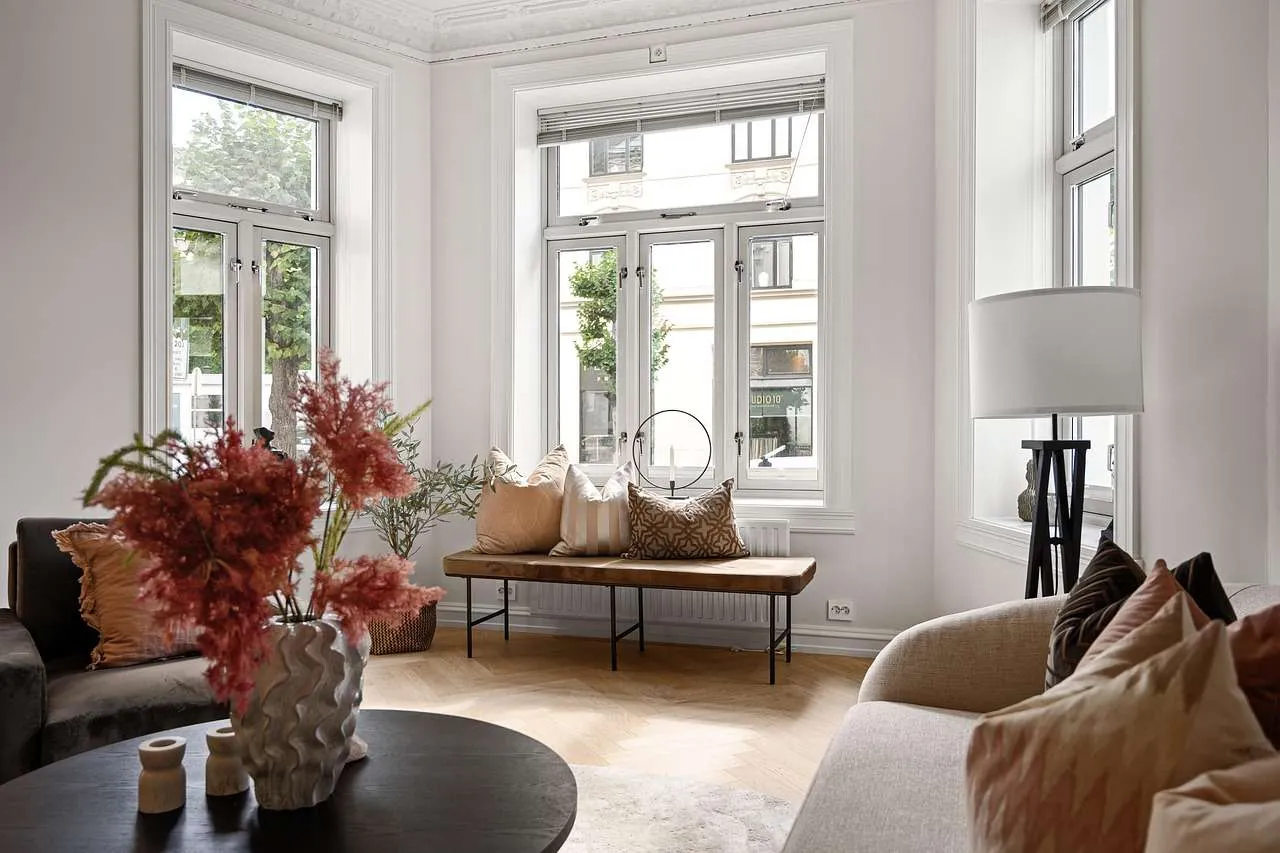
Glare reduction and comfort: Tint reduces glare on screens and in rooms with afternoon sun, creating a more comfortable living space.
Privacy and safety: Tinted windows provide daytime privacy and, in some cases, shatter resistance when paired with safety-rated films.
Aesthetics and resale value: A uniform tint can enhance the look of a home and appeal to buyers who value energy efficiency and interior protection.
Types of Window Tint for Homes
Choosing the right film depends on your goals, budget, and climate. Here are the main options:
Dyed films
Inexpensive and effective for reducing glare, but can fade or shift color over time and offer modest heat rejection.
Metalized films
Reflect heat with metal particles; they may interfere with electronics and produce a mirrored look at certain angles.
Ceramic films
High performance with strong heat rejection, minimal color change, and no metal interference. Often more expensive but durable and long-lasting.
Carbon or graphite films
Good heat rejection and color stability without metal, combining privacy with aesthetics.
Hybrid films
A blend of dyed and reflective or carbon particles to balance cost, performance, and appearance.
How to Choose a Professional
Professional installation matters for performance and warranty. Look for IWFA certified installers, a written warranty, and demonstrable product options. Request a clear written estimate that lists product line, shade options, heat rejection ratings, and an installation timeline. Verify local regulations on permitted tint levels for residential glass—some municipalities limit reflectivity or shade on living areas, garages, or street-facing windows.
Maintenance, Lifespan, and ROI
Maintenance is simple: clean with non-abrasive, non-ammonia cleaners and avoid harsh scrubs that could scratch the film. Most high-quality films carry a lifetime warranty against peeling, bubbling, or delamination when professionally installed. Return on investment comes from lower cooling costs, improved comfort, longer furniture life, and potential resale benefits.
Cost and Quick Comparison
Price varies by film type, window size, and the number of panes. Expect to pay per square foot for residential installations, with higher-end ceramic or carbon films at a premium. The exact ROI depends on climate, sun exposure, and energy prices, but the long-term savings often justify the upfront cost.
| Tint Type | Pros | Cons | Best For |
|---|---|---|---|
| Dyed | Low cost, glare reduction | Color can fade; moderate heat rejection | Budget-friendly rooms with strong sun |
| Metalized | Excellent heat rejection, durability | Electrical interference risk; mirrored look | Sunny rooms with high heat load |
| Ceramic | Top heat rejection; no metal; clear view | Higher upfront cost | Attics and large windows; high performance needs |
| Carbon/Graphite | Good heat rejection; non-metallic | Moderate to high cost | Privacy with performance |
| Hybrid | Balanced price and performance | Mid-range in durability | Flexible options |
Conclusion, Home window tinting offers a blend of energy efficiency, UV protection, glare control, and privacy. To maximize benefits, choose a licensed, IWFA-certified installer, review product ratings, understand guarantees, and comply with local rules. With the right film and professional installation, you can enjoy a cooler, more comfortable home and protect valuable furnishings for years to come.